SOLUTION

AI & Automation

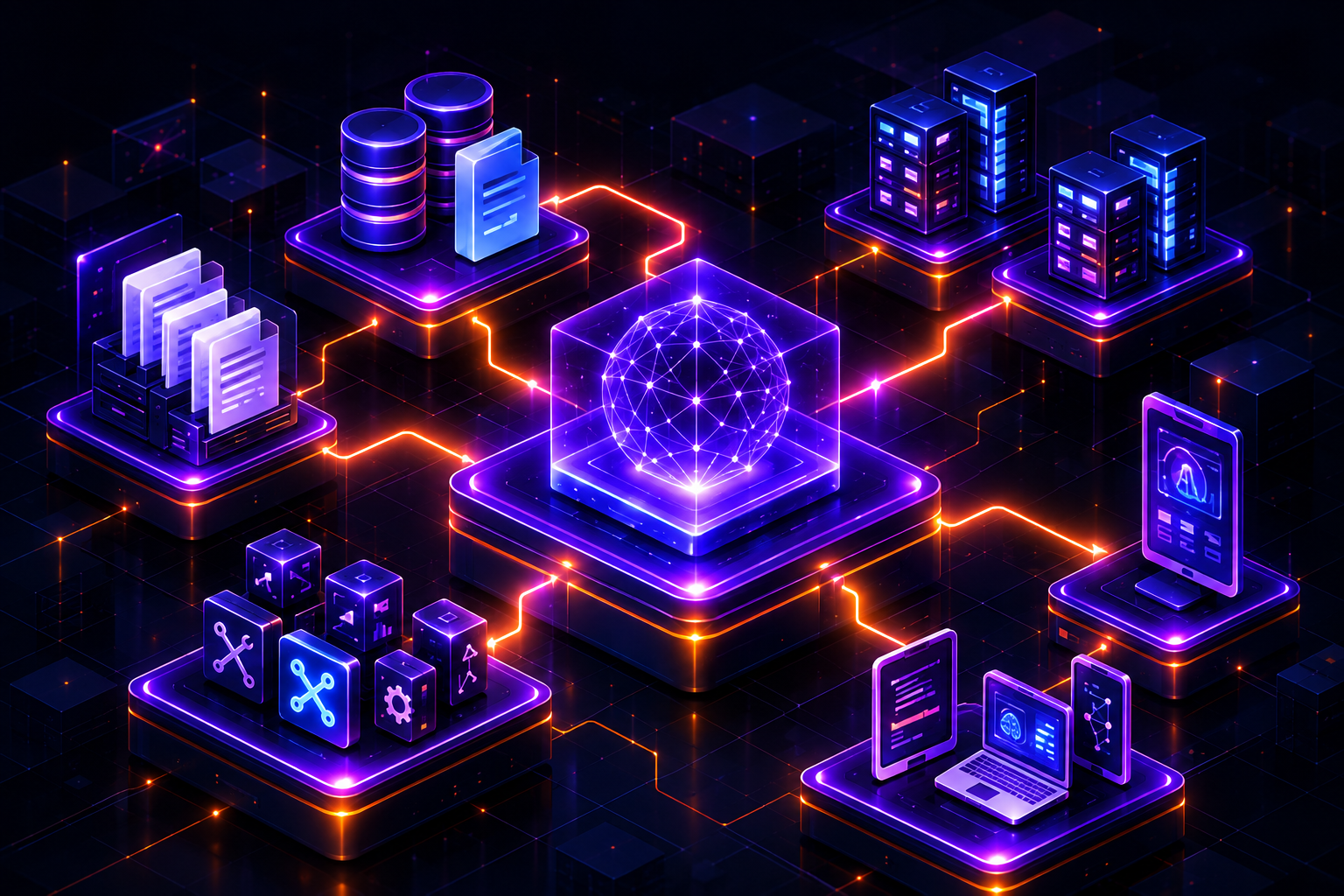
Design and build production AI systems that connect models, enterprise data, applications and business workflows.

ENGINEERING FOCUS

  • 01Enterprise AI applications
  • 02AI agents and workflow automation
  • 03Retrieval and knowledge systems
  • 04AI integration and production operations

SYSTEM CONTEXT

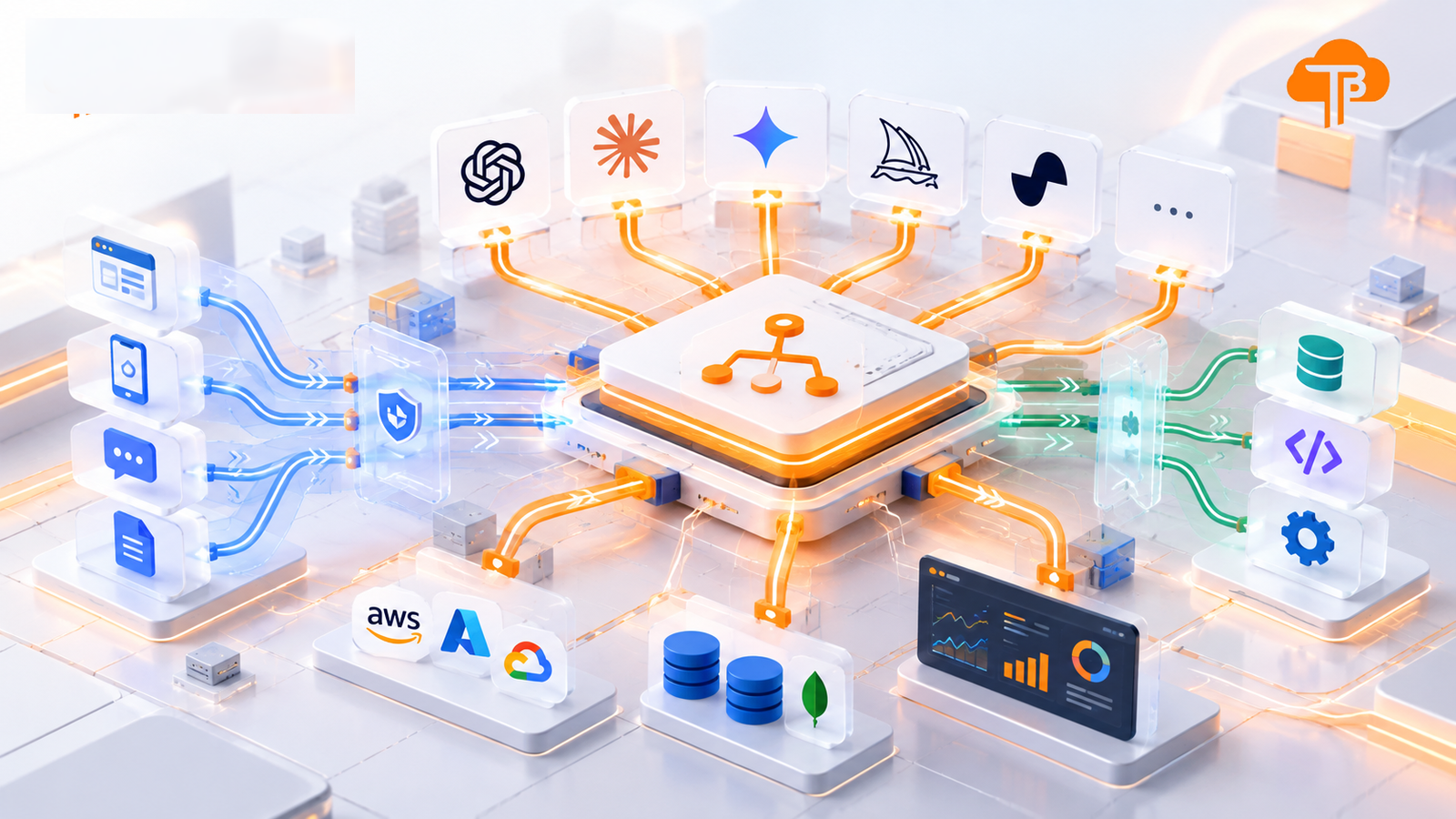
TitanBases engineers AI systems as part of the broader application and data architecture. We connect models with enterprise data, retrieval systems, APIs and business workflows, while designing for security, observability, evaluation and operational control from the start.

Discuss this work

WHAT WE BUILD

What We Build

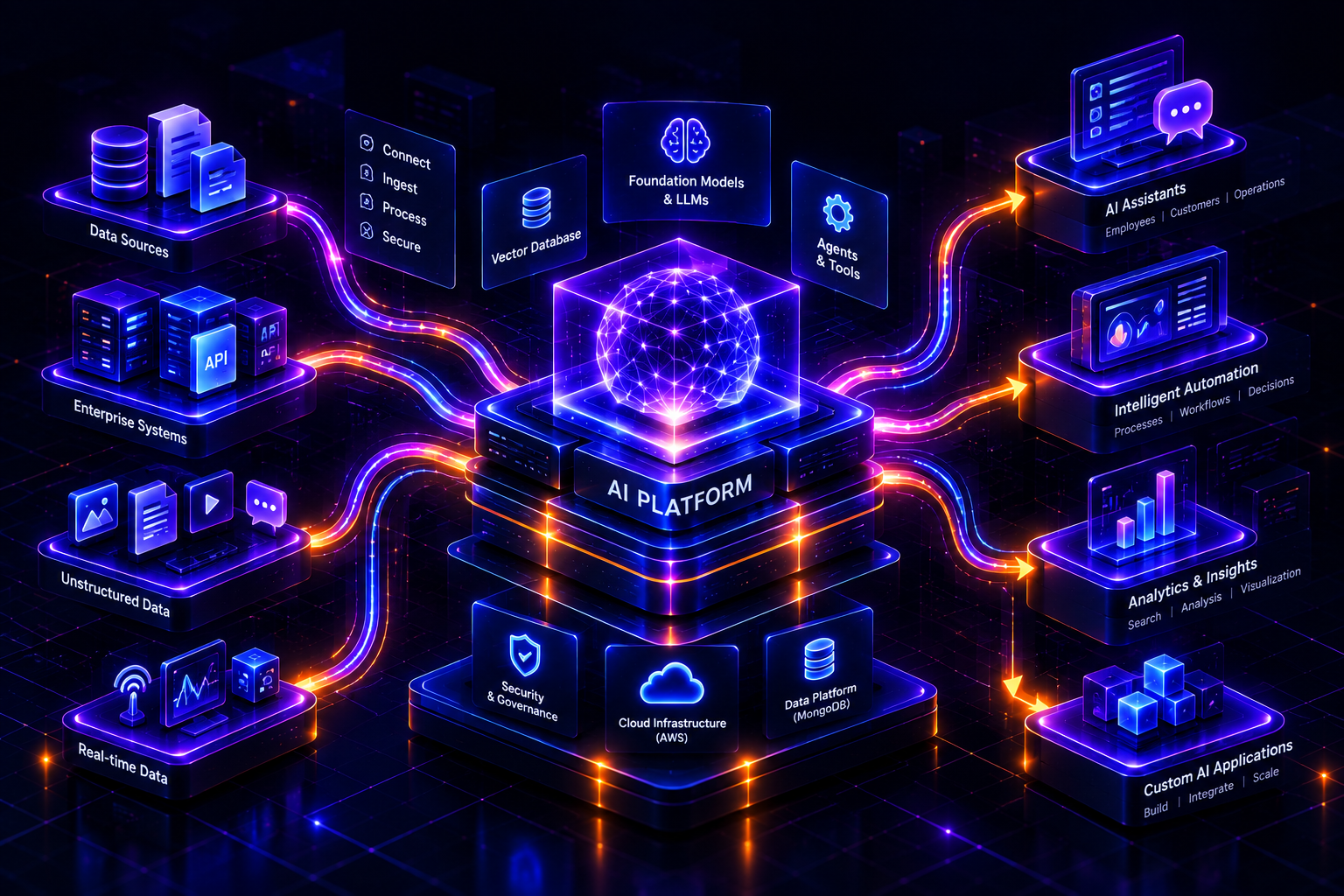
TitanBases builds AI applications and automation systems that combine foundation models, enterprise data, tools and application services within production-ready architectures.
Enterprise AI applications

AI-enabled applications that integrate model capabilities with enterprise data, application logic and existing business systems.

AI agents

Agent architectures that use models, tools, APIs and controlled workflows to perform multi-step business and operational tasks.

Retrieval-augmented generation

Retrieval architectures that connect foundation models with enterprise knowledge, search and vector data to produce grounded responses.

Workflow automation

AI-assisted workflows that combine model reasoning with business rules, application services and human approval where required.

AI integration

Integration layers connecting AI models with APIs, operational data, enterprise applications and external services.

AI evaluation and observability

Evaluation, tracing, monitoring and operational controls for understanding model behavior, system quality and production reliability.

ENGINEERING APPROACH

How We Deliver AI & Automation

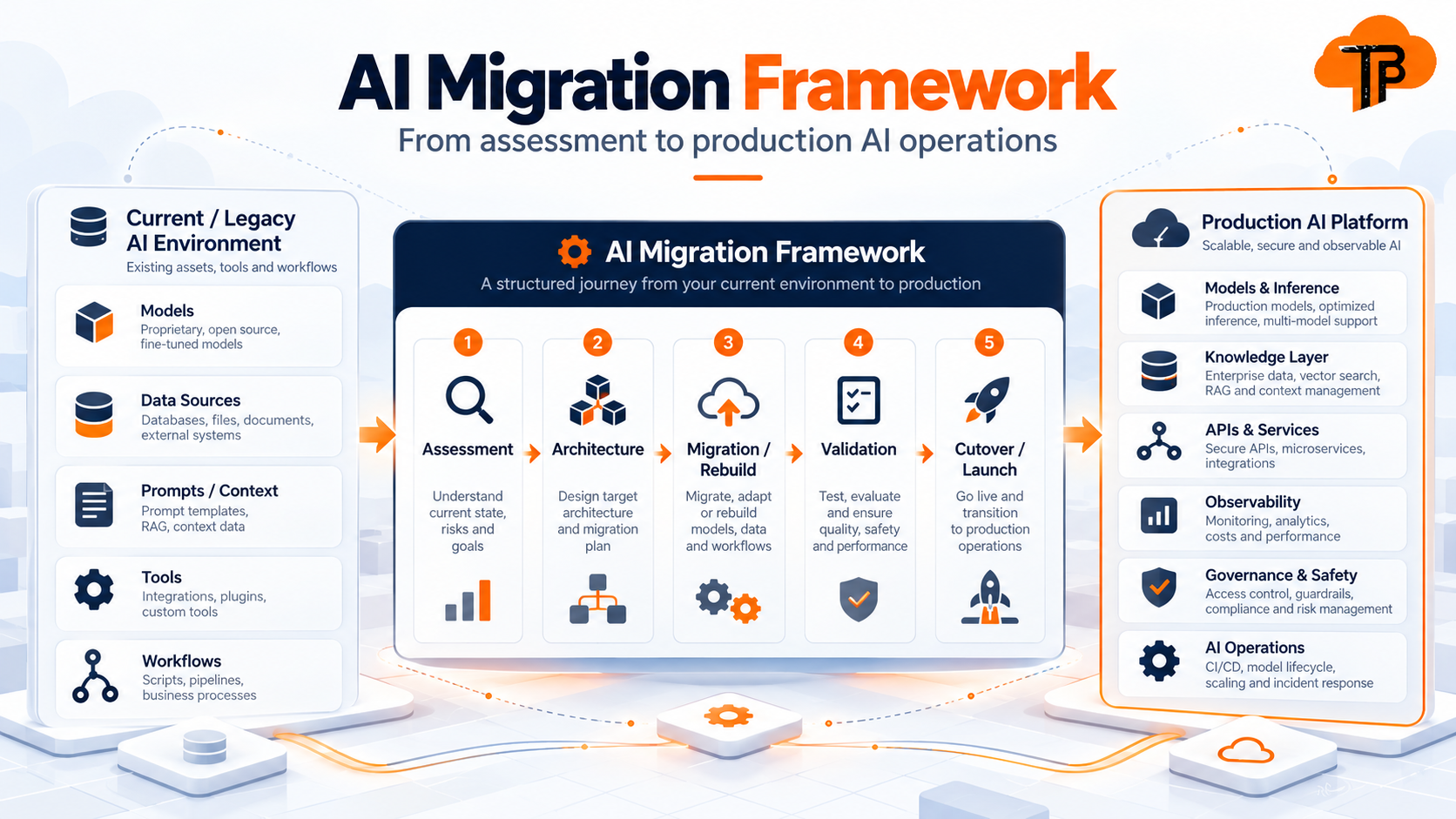
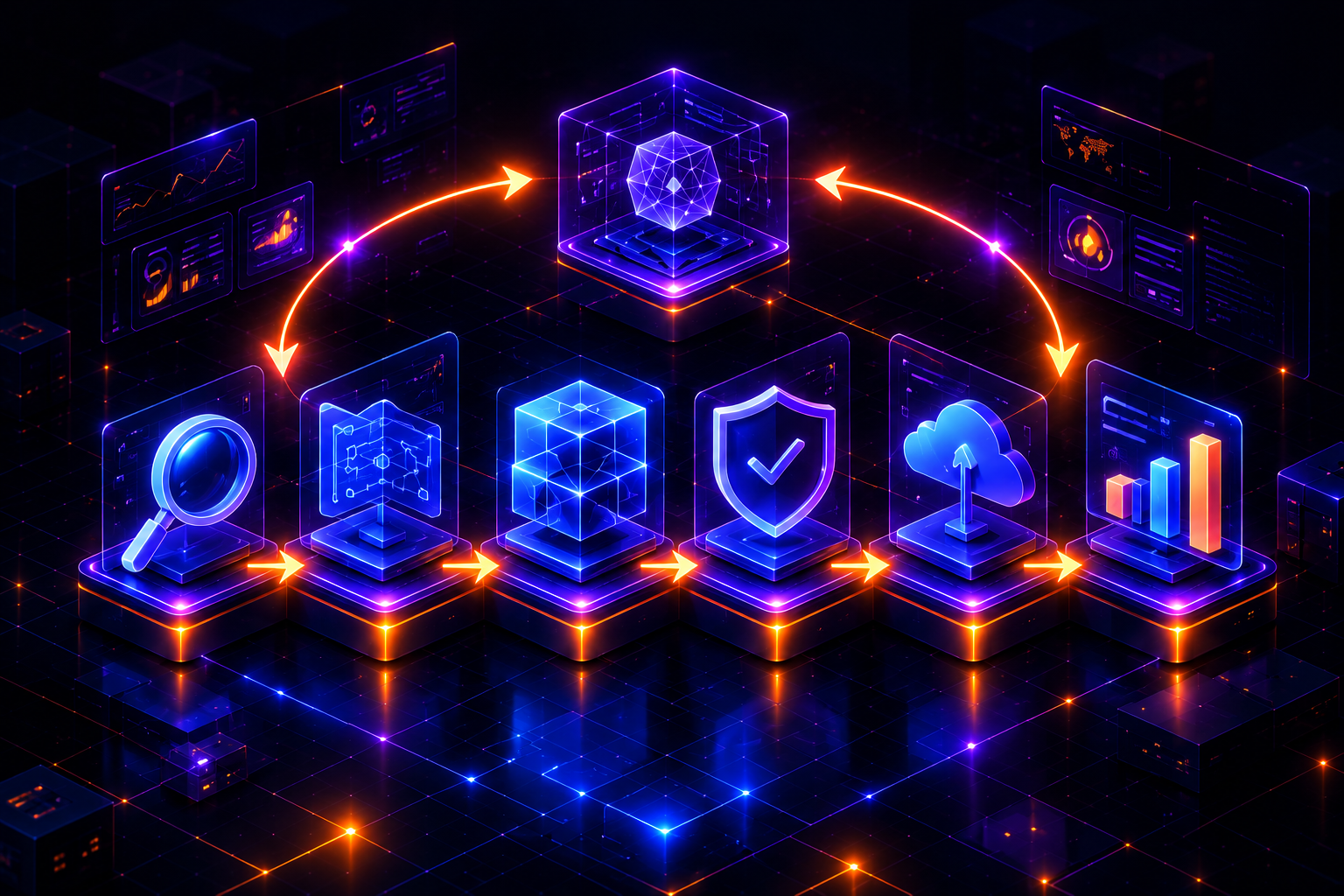
We begin with the business workflow and production constraints, then design the AI architecture, connect models and enterprise context, evaluate system behavior and establish the controls required to operate it reliably.

Discover

Define the business problem, users, workflows, available data, integration requirements and measurable success criteria.

Architect

Design the model, data, retrieval, agent, integration and application architecture around the target workload.

Build & Integrate

Connect models, enterprise data, tools and APIs within the application and workflow environment.

Evaluate

Test output quality, retrieval behavior, tool execution, latency, safety and failure modes against defined requirements.

Deploy

Introduce the AI system into production through controlled deployment, access controls and operational readiness checks.

Operate & Improve

Monitor system behavior, trace interactions, evaluate production quality and improve prompts, retrieval, tools and workflows over time.

COMMON USE CASES

Where We Apply AI Engineering

TitanBases applies AI engineering to enterprise workflows where models need to interact with trusted data, applications and people within controlled production systems.

Enterprise knowledge assistants

Build assistants that retrieve and synthesize information from approved enterprise knowledge sources.

Retrieval-augmented generation

Ground model responses in enterprise documents, operational data and searchable knowledge using retrieval architectures.

AI agents and tool use

Enable AI systems to interact with APIs, applications and tools to perform controlled multi-step tasks.

Document intelligence

Extract, classify, interpret and route information from documents as part of operational workflows.

Customer and employee assistants

Build conversational interfaces that connect users with enterprise knowledge, services and application workflows.

Workflow automation

Combine AI capabilities with business logic and existing systems to automate or assist repeatable operational processes.

AI-powered application features

Integrate generation, retrieval, classification, summarization and reasoning capabilities into existing digital products.

AI modernization

Introduce AI capabilities into existing applications and workflows without requiring the surrounding technology estate to be rebuilt.

LET'S BUILD WHAT'S NEXT

Talk to an engineering partner.

Talk to an expert